Understanding the Basics of Automotive Brake Jobs
Whether you're a seasoned mechanic or a DIY enthusiast, understanding the basics will ensure your brake jobs are done safely and efficiently.
-
Inspection: Start by inspecting the brake components, including the brake pads, rotors, calipers, and brake lines. Look for signs of wear and tear or damage.
-
Removal: Carefully remove the worn-out brake pads and rotors. Make sure to keep track of all hardware and components.
- Replacement: Install new brake pads and rotors, ensuring they are properly aligned and secured.
- Testing:After installation, test the brakes by gently pressing on the brake pedal and ensuring there are no unusual noises or resistance.
- Oil Catch Can:Useful for properly storing old oil until it can be disposed of correctly.
Essential Tools for Automotive Brake Jobs Essential Tools for Automotive Brake Jobs
Equip yourself with the right tools to perform automotive brake jobs efficiently. Having the proper tools not only makes the job easier but also ensures the safety and longevity of your vehicle's braking system.
-
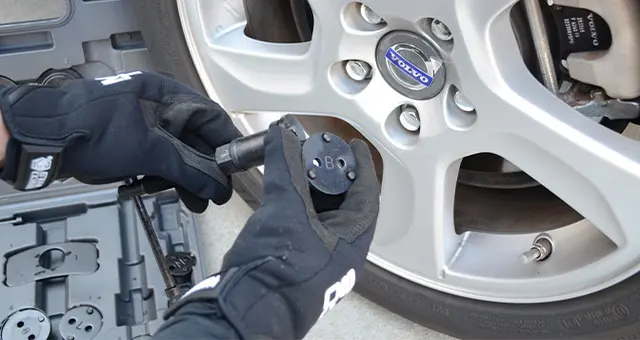
Brake Caliper Tool: Essential for compressing the caliper piston when installing new brake pads.
-
Brake Bleeder Kit: Helps in removing air bubbles from the brake lines, ensuring optimal brake performance.
- Torque Wrench: Ensures all bolts are tightened to the manufacturer's specifications, preventing over-tightening or under-tightening.
- Brake Pad Spreader: Simplifies the process of spreading the brake pads to fit over the new rotors.