Skills Every Automotive Mechanic Should Learn
Starting your journey as an automotive mechanic requires mastering several fundamental skills. These basics lay the groundwork for more advanced repairs and ensure you’re equipped to handle a variety of automotive issues.
-
Basic Engine Diagnostics: Learn how to read and interpret diagnostic codes using an OBD-II scanner. Understanding these codes is essential for identifying and troubleshooting engine issues.
-
Routine Maintenance: Familiarize yourself with routine maintenance tasks such as oil changes, tire rotations, and brake inspections. These tasks are the bread and butter of automotive repair.
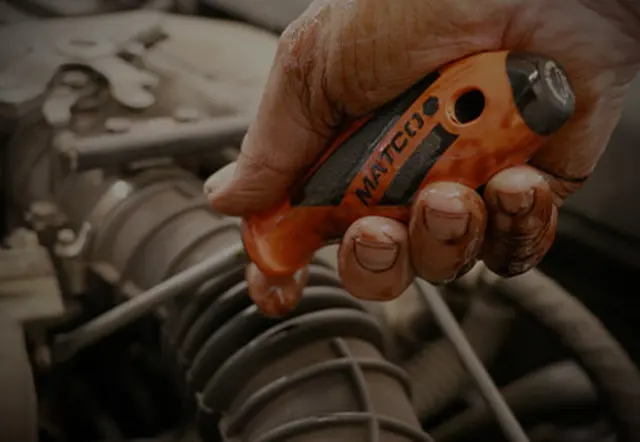
- Tool Usage: Get comfortable with using basic hand tools like wrenches, screwdrivers, and pliers. Knowing how to properly use these tools is crucial for any repair job.
Tools for Beginners in Automotive Repair
Having the right set of tools is the first step to becoming a proficient automotive mechanic.
-
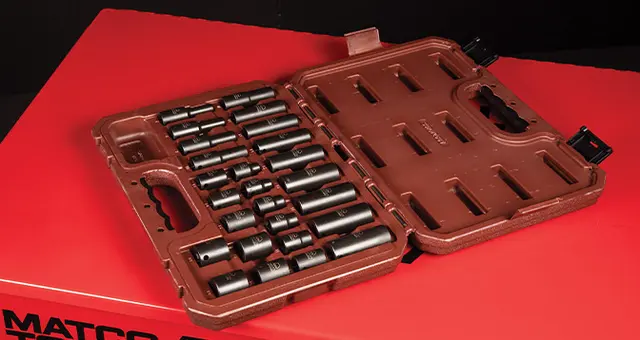
Socket Set: A comprehensive socket set is indispensable for loosening and tightening bolts and nuts of various sizes.
-
Screwdriver Set:A variety of screwdrivers, including flathead and Phillips, are essential for a wide range of tasks.
- Pliers:Different types of pliers, such as needle-nose and slip-joint, are useful for gripping and manipulating small parts.
- Torque Wrench:Ensures bolts are tightened to the manufacturer's specifications, which is crucial for vehicle safety.
- Multimeter:Essential for diagnosing electrical issues, a multimeter helps in measuring voltage, current, and resistance.